Every October, across India and beyond, Dussehra Festival (also called Vijayadashami) reminds us of one of life’s greatest truths: no matter how strong evil may seem, it will eventually fall before truth and righteousness. From the streets of Delhi where Ramlila plays captivate thousands, to the lanes of Mysore where royal processions enchant travelers, Dussehra unites people in a shared celebration of good triumphing over evil.
But why has this festival remained so significant for centuries? And what lessons can it offer in today’s world, where “evil” isn’t always a demon with ten heads but might be corruption, greed, or negativity within ourselves? Let’s dive deeper.
Table of Contents
The Story Behind Dussehra Festival : Two Narratives, One Message
The Ramayana Connection
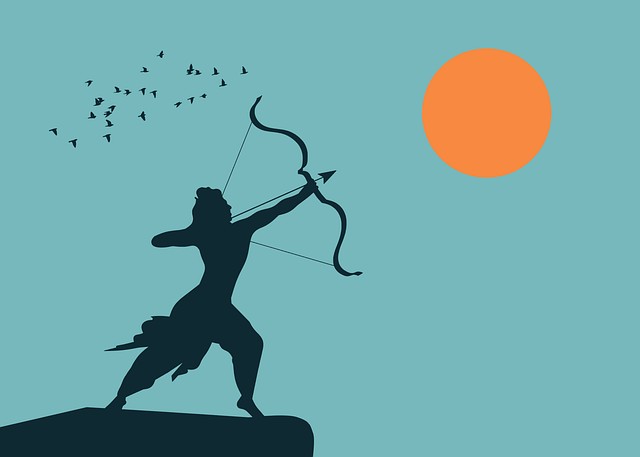
The most popular legend comes from the epic Ramayana. Lord Rama, with the help of Hanuman and his vanar sena (army of monkeys), defeats Ravana—the mighty king of Lanka—who abducted Rama’s wife, Sita. The burning of Ravana’s effigies on Dussehra symbolizes the destruction of arrogance, lust, and ego.
The Mahishasura Legend
In another tale celebrated especially in Bengal, Dussehra marks the day Goddess Durga killed the demon Mahishasura. After a fierce nine-day battle, symbolized by Navratri, the tenth day—Vijayadashami—commemorates her victory. Here, the festival celebrates feminine power and divine energy.
👉 Common Message: Whether it’s Rama defeating Ravana or Durga slaying Mahishasura, the essence of Dussehra is the same: evil may rise, but good always prevails.
How Dussehra Is Celebrated Across India
India’s diversity shines in the way people celebrate Dussehra. Though the essence is similar, the flavors of festivity vary:
| Region | Celebration Style | Highlights |
|---|---|---|
| North India | Ramlila performances and Ravana effigy burning | Fireworks, massive gatherings, folk plays |
| West Bengal & East India | Vijayadashami after Durga Puja | Idol immersion (Visarjan), sindoor khela |
| Mysore, Karnataka | Mysore Dasara | Royal processions, decorated elephants, illuminated palaces |
| Gujarat | Navratri Garba & Dussehra | Colorful Garba/Dandiya dances |
| Maharashtra | Exchange of apta leaves as “gold” | Symbol of prosperity and goodwill |
| Nepal | Dashain festival | Longest Hindu festival, blessings from elders |
This variety makes Dussehra not just a religious observance but also a cultural extravaganza.
Dussehra Festival in 2025: A Festival Beyond Boundaries
In today’s globalized world, festivals travel with people. Indians living abroad celebrate Dussehra in the US, UK, UAE, and Australia with as much enthusiasm as back home. Interestingly, many non-Indians now participate in the festivities, curious about its meaning and captivated by its spectacle.
In 2025, digital platforms have added another layer to Dussehra Festival celebrations. Live-streaming of Ramlila plays, Instagram reels of Garba nights, and online storytelling sessions for kids have made the festival accessible to those far from home. It proves that while traditions adapt, their essence never fades.
Lessons from Dussehra for Modern Life
While Dussehra is centuries old, its lessons are strikingly relevant in today’s fast-paced, often chaotic world.
1. Conquering Inner Demons
Just as Rama fought Ravana, each of us has our own “Ravana” to battle—whether it’s anger, addiction, fear, or self-doubt. Dussehra reminds us to burn these negative tendencies and emerge stronger.
2. Power of Unity
Rama didn’t fight Ravana alone; he had allies. Likewise, overcoming modern challenges often requires teamwork, empathy, and community support.
3. Feminine Strength
The story of Goddess Durga emphasizes the importance of respecting and empowering women—a message that feels especially powerful in today’s fight for gender equality.
4. The Value of Patience and Strategy
Rama’s victory wasn’t overnight; it was the result of patience, planning, and perseverance. A valuable lesson for personal and professional challenges.
Personal Reflection: Experiencing Dussehra Firsthand
I remember attending a Dussehra fair in Delhi as a child. The air smelled of roasted peanuts, cotton candy spun in bright colors, and the anticipation of Ravana’s effigy lighting up the night sky kept us buzzing with excitement. But what struck me most wasn’t just the spectacle—it was how people, strangers from all walks of life, stood together, united in cheers when Ravana fell.
As I grew older, that moment began to feel symbolic. Life constantly throws “Ravanas” our way. Sometimes it’s a toxic relationship, sometimes it’s a failure at work, and sometimes it’s our own insecurities. Watching Ravana burn year after year reminds me that no challenge is permanent; with courage and determination, it will eventually crumble.
Comparison: Dussehra vs Other Festivals of Victory
| Festival | Country | Theme | Similarity to Dussehra |
|---|---|---|---|
| Halloween (US/Europe) | Western nations | Confronting fears, spirits, and darkness | Both revolve around overcoming darkness |
| Obon (Japan) | Japan | Honoring ancestors, spiritual cleansing | Spiritual reflection like Navratri-Dussehra |
| Chinese New Year | China | Drive away evil spirits for prosperity | Good vs evil theme, renewal |
This comparison shows that the idea of conquering evil or negativity is a universal theme across cultures.
Dussehra and Its Sustainability Angle
In recent years, conversations about pollution and environmental impact have changed how we celebrate Dussehra. Traditionally, the burning of massive effigies creates air pollution. Many communities now choose eco-friendly Ravana effigies made from biodegradable materials or organize symbolic burnings with light-and-sound shows instead.
This eco-conscious shift not only protects the environment but also keeps the core symbolism alive—without harming the planet. It’s proof that traditions can evolve responsibly.
Conclusion: The Timeless Relevance of Dussehra
When we talk About Dussehra, we’re not just talking about an annual festival. We’re talking about a reminder—etched in fire and faith—that good always overcomes evil. In 2025, as we face modern “demons” like stress, climate change, and social divides, Dussehra’s message feels more powerful than ever.
So this year, as you watch the effigy of Ravana burn or join the chants of “Jai Shree Ram” or “Durga Maa ki Jai,” pause for a moment. Ask yourself: Which Ravana in my life needs to burn?